Typical Roof Repairs: Vital Recommendations for Homeowners to Preserve Their Investment
Property owners frequently neglect the importance of regular roof maintenance. Common issues like leaks, missing shingles, and sagging can cause significant damage if left unchecked. Understanding these issues is essential for safeguarding property value and ensuring safety. The consequences of weather can further complicate matters, making proactive care imperative. What steps can homeowners take to mitigate these risks and protect their investment? The answers may be more straightforward than one might assume.
Major Roofing Challenges Property Owners Face
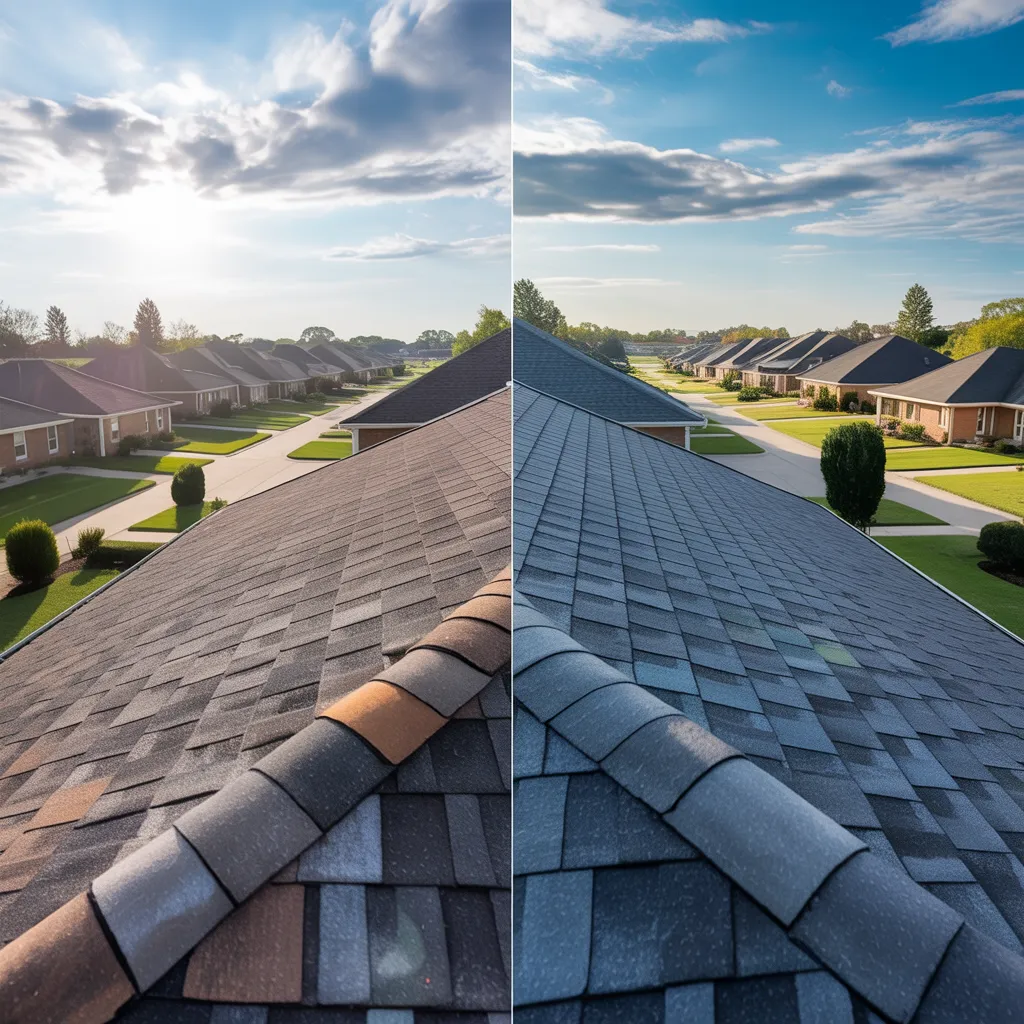
Property owners often face a variety of roof problems that can compromise the integrity of their homes. One common issue is damaged shingles, which can arise from harsh weather conditions, wear and tear, or improper installation. Absent or distorted shingles can lead to leaks and further deterioration. Additionally, homeowners may experience issues with roof flashing, the material that diverts water away from vulnerable areas, such as chimneys and vents. If flashing is damaged or improperly installed, it can enable water infiltration. Another frequent problem is clogged gutters, which can cause water to back up and damage roofing materials. Additionally, moss and algae growth can weaken shingles and create an unsightly appearance. Finally, homeowners often experience inadequate ventilation, resulting in heat buildup and moisture accumulation in the attic, which may cause structural damage. Resolving these issues promptly is essential for maintaining a safe and durable roof.
Identifying Roof Leaks
Spotting roof leaks is a essential step in handling the common roof problems that homeowners face. Early detection can stop more significant damage and costly repairs. Homeowners should commence by inspecting the interior of their homes for water stains, discoloration, or mold, specifically in ceilings and walls. These signs often reveal a leak occurring in the roof.
Next, inspecting the roof's exterior is vital. This includes checking for damaged, cracked, or missing shingles, as well as examining flashings around chimneys, vents, and skylights, which are frequent leak entry points. Additionally, examining gutters and downspouts for blockages can help avoid water accumulation that may contribute to leaks.
It is also recommended to perform these inspections following heavy rainfall, as leaks might be more apparent at that time. By carefully identifying potential leaks, homeowners can take proactive steps to safeguard their property and maintain its value.
Why You Need to Fix Those Missing Shingles
Even though it could seem unimportant, resolving missing shingles is vital for sustaining the condition of a roof. Missing shingles expose the underlying roofing materials to environmental elements, elevating the risk of water seepage and potential damage to the interior of the home. Without adequate coverage, leaks can develop, leading to mold growth, rotting wood, and costly repairs.
Moreover, a roof with missing shingles can compromise its overall aesthetics, lowering the home's curb appeal and potentially lowering property value. It is also crucial to consider that missing shingles may indicate underlying issues, such as improper installation or age-related wear.
Dealing with this issue promptly is essential; replacing missing shingles not only protects against immediate water damage but also lengthens the lifespan of the roof. Homeowners should routinely inspect their roofs and take action when missing shingles are identified to safeguard their investment effectively.
Handling a Sinking Roof
A roof that sags may indicate serious structural problems that need prompt attention. The first step for homeowners is to determine the sagging's severity, since this could suggest compromised rafters, deteriorated trusses, or water buildup. Pinpointing the fundamental reasons is critical; these can include inadequate support, age-related wear, or previous water damage.
It is wise to engage a professional roofing contractor for a comprehensive inspection. A qualified expert can identify whether repairs or a complete roof replacement is required. In some cases, reinforcing the roof structure may work, while more severe sagging might warrant substantial repairs or even rebuilding sections of the roof.
In addition, homeowners should maintain proper drainage in the attic and inspect for leaks that could aggravate existing problems. Quick action can avert further deterioration, securing both the roof and the home's overall integrity. Addressing sagging immediately is critical for safeguarding a homeowner's investment.
How Weather Conditions Impact Roof Integrity
Weather conditions play a crucial role in the durability of a roof, as multiple weather conditions can result in wear and damage over time. Rain, snow, and ice can cause water infiltration, causing rot and mold growth in roofing materials. Prolonged exposure to ultraviolet radiation from the sun can break down roofing components, resulting in brittleness and cracking. High winds can displace shingles and tiles, exposing the underlying structure to other weather elements. In areas vulnerable to hail, roofs can suffer punctures and dents, diminishing their protective capabilities. Furthermore, temperature fluctuations can lead to materials expand and contract, potentially leading to warping or loosened attachments. Routine inspections and immediate repairs are essential to upholding a roof's integrity against these weather-related issues. Homeowners should remain vigilant, especially after extreme weather conditions, to guarantee their roofs continue safeguarding their homes effectively.
Do-It-Yourself Roof Maintenance Tips
Maintaining a roof is essential for homeowners looking to extend its longevity and ensure protection against the elements. Routine inspections are essential, ideally performed two times annually and after major weather conditions. Homeowners should check for absent or damaged shingles, evidence of leaks, and debris collection. Removing debris from gutters is crucial, as clogged gutters can result in water pooling and subsequent damage.
Adding a roof sealant can provide an added layer of safeguarding against moisture. Homeowners can also prune overhanging branches to stop damage from falling limbs and reduce the risk of moss growth. Furthermore, checking for adequate ventilation in the attic helps regulate temperature and prevents condensation buildup, which can damage roof integrity.
When You Should Contact a Professional Roofer?
How might homeowners determine the right moment to engage a professional roofer? Understanding when to call a professional is critical for maintaining a safe and functional roof. Homeowners should seek expert assistance when they spot considerable leaks, severe water damage, or visible sagging in the roof structure. Furthermore, if shingles are absent, cracked, or curling, it visit this page is prudent to consult a professional.
Furthermore, if a homeowner grows uncertain about the scope of damage or lacks the experience necessary for repairs, reaching out to a roofer is advisable. Regular inspections, especially after severe weather, can expose issues that may necessitate professional intervention. Finally, if a roof is approaching the end of its lifespan and shows evidence of wear, hiring a roofer can help determine whether repairs or a replacement is necessary. Handling these concerns quickly can avoid further damage and protect the homeowner's investment.
Frequently Asked Questions
How Frequently Should I Check My Roof for Damage?
Specialists advise inspecting a roof at least two times annually, optimally in spring and fall. Furthermore, in the wake of severe weather events is critical, as this can expose unseen damage that may undermine the roof's overall condition.
What Are the Signs of Poor Roof Installation?
Evidence of inadequate roofing work includes improperly aligned shingles, visible gaps, rainfall-related leaks, drooping sections, and flashing inadequately sealed. Such signs may lead to substantial problems later, highlighting the necessity for professional installation and routine examinations.
Will Roof Repairs Boost My Property's Value?
Repairing your roof can increase a home's value by elevating curb appeal and preserving structural integrity. Home buyers often search for well-maintained roofs, which can generate higher offers and faster sales in the real estate market.
How Should I Pick the Right Roofing Material?
To choose the right roofing material, you should evaluate factors such as weather conditions, long-term performance, aesthetic preferences, and budget. Reviewing local regulations and consulting with professionals can further enhance the decision-making process effectively.
Which Warranty Options Can You Get for Roof Repairs?
Different warranty options for roof repairs include manufacturer warranties, workmanship warranties, and limited lifetime warranties. Property owners should meticulously review terms, coverage periods, and stipulations to choose the most suitable option for their needs.